




The 2026 FIFA World Cup will be much more than the most important sporting event on the planet. In addition to bringing together millions of fans in the United States, Mexico, and Canada, it will drive significant economic activity that will impact all of Latin America. From travel bookings and online purchases to sports betting, delivery, and digital entertainment, the tournament will generate a significant increase in electronic transactions.
For companies in the region, the challenge will not only be to capture demand but also to have the technological capacity to process it quickly, securely, and without interruptions. In this scenario, digital payments will become a key factor for business growth.
The Economic Impact of the 2026 World Cup in Latin America
Major sporting events usually boost consumption in sectors such as tourism, e-commerce, entertainment, technology, and financial services. Although the matches will be played in North America, Latin America will be one of the regions with the highest digital participation.
Millions of fans will consume online content, purchase tournament-related products, subscribe to streaming platforms, place sports bets, and book trips to attend the matches. This represents a significant opportunity for companies operating in digital environments and relying on efficient payment processing.
Why Digital Payments Will Be Key Players
Today’s consumer seeks fast, secure experiences available from any device. During mass events like the World Cup, this trend intensifies due to the increase in:
- Online purchases related to the tournament.
- Use of mobile applications for entertainment and consumption.
- Digital sports betting.
- Travel, accommodation, and transport bookings.
- Instant payments and QR codes.
QR payments will play a particularly relevant role thanks to their ease of use and the growing adoption of this method in different markets in the region.
Additionally, digital transactions will experience activity peaks during key moments such as the opening ceremony, knockout stages, and the final, when thousands of users perform operations simultaneously.
Opportunities for Colombian Companies
Colombia has one of the most dynamic digital ecosystems in Latin America. The growth of e-commerce and the adoption of new technologies have transformed the way people shop and pay.
Among the sectors with the greatest opportunities during the World Cup are:
Tourism and travel agencies: increase in demand for flights, accommodation, and tour packages related to the event.
Sports betting houses: significant increase in users and transactional volume during the competition.
E-commerce and marketplaces: growth in the sale of sports items, technology, televisions, and promotional products.
Delivery and entertainment apps: greater consumption of food, beverages, and digital services during matches.
Fintech and financial services: innovative solutions to facilitate fast, secure, and scalable payments.
The Role of Fintech in the Growth of Digital Payments
Fintech companies have become fundamental players within the regional financial ecosystem thanks to their ability to develop agile solutions and quickly adapt to new market needs.
During the 2026 World Cup, these companies will contribute to:
- Processing large volumes of transactions in real time.
- Reducing friction in the payment experience.
- Improving approval rates.
- Strengthening security and fraud prevention.
- Integrating new payment methods easily.
Organizations that work with robust technological providers will be better prepared to take advantage of the commercial opportunities that the tournament will bring.
Is Your Payment Infrastructure Ready?
One of the main risks during high-demand events is the saturation of payment platforms. A system that works correctly under normal conditions can fail when the volume of operations suddenly increases.
Therefore, companies must evaluate aspects such as:
- Scalability: capacity to support traffic increases without affecting the user experience.
- Availability: operational continuity and reduction of downtime.
- Security: advanced mechanisms to prevent fraud and protect transactions.
- Diversity of payment methods: offering multiple alternatives to increase conversions.
- Real-time monitoring: visibility of operations to detect incidents and respond quickly.
- Preparing in advance will allow for an efficient response to the demand generated by one of the most important sporting events in the world.
The World Cup is also played in the payment ecosystem
The 2026 FIFA World Cup will boost the digital economy in Colombia and Latin America.
Beyond the sporting excitement, it will represent an opportunity for companies that rely on online operations and payment processing.
Organizations with a solid, scalable, and secure infrastructure will be better positioned to take advantage of the growth in digital consumption during the event. In an environment where speed and user experience are decisive, digital payments will cease to be an operational process and become a competitive advantage.
Is your company prepared to process thousands of additional transactions during high-demand events?
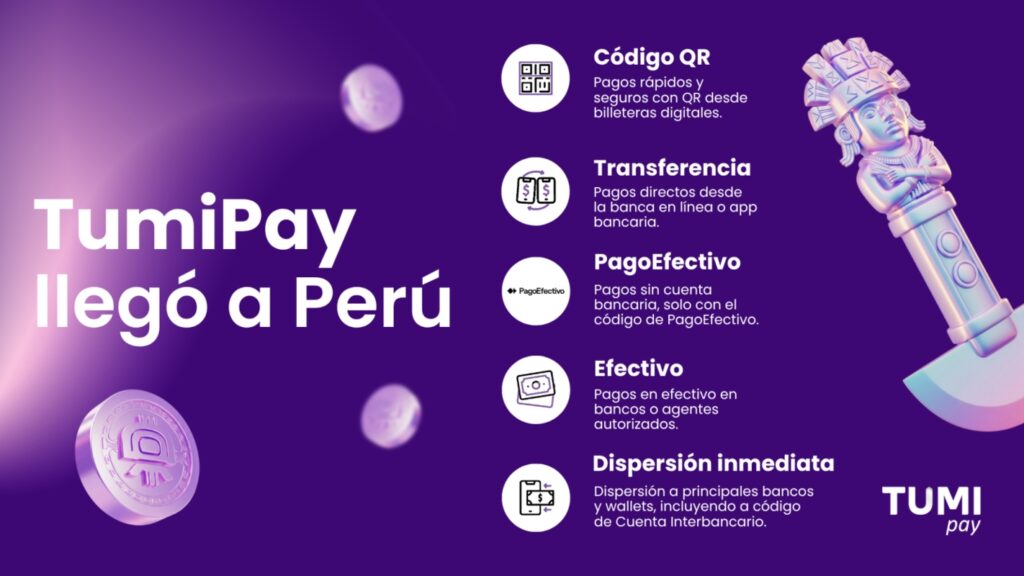
With TumiPay, businesses can scale their payment operations securely, quickly, and seamlessly, maximizing the opportunities generated by major international events.
Tags:
Gateway
Ecommerce