




Choosing the right payment provider can directly impact conversion, the customer experience, and your business’s growth. In this article, we explain what a PSP (Payment Service Provider) is, how it differs from a payment gateway, and what key criteria your company should evaluate before making a decision.
Digital payments are a key component for any business that sells online or processes digital transactions. However, when implementing a payment solution, many companies encounter terms such as PSP, payment gateway, or payment processor without having clarity on their differences.
Choosing the right provider can directly impact the customer experience, conversion rate, and the business’s growth capacity. Therefore, understanding the role of a PSP is the first step toward making an informed decision.
What is a PSP and what is its function?
A PSP (Payment Service Provider) is a company that allows businesses to accept and manage digital payments through different methods such as credit cards, debit cards, bank transfers, and digital wallets.
Its main advantage is simplifying payment operations through a single integration, connecting the merchant with the financial entities necessary to process a transaction securely and efficiently.
In addition to payment processing, many PSPs offer complementary services such as reconciliation, reporting, transaction monitoring, and fraud prevention tools.
PSP vs. payment gateway: what is the difference?
Although they are often confused, they are not exactly the same thing.
The payment gateway is the technology responsible for capturing and transmitting transaction information between the customer, the merchant, and the financial entities.
The PSP, on the other hand, offers a more comprehensive solution that can include the gateway, payment processing, management of multiple payment methods, and other services that facilitate a company’s financial operations.
For this reason, many organizations seek providers capable of offering an integrated infrastructure that allows them to grow without increasing operational complexity.
What should a company evaluate before choosing a PSP?
Beyond fees, there are factors that can make a significant difference in business results.
Approval rate: every rejected payment can represent a lost sale.
- Payment methods: offering different options improves the customer experience and increases conversion.
- Security: protecting financial information is fundamental to building trust.
- Scalability: the infrastructure must be prepared to support the company’s growth.
- User experience: a simple and fast payment process reduces abandonment during the purchase.
Choosing correctly not only optimizes operations but also contributes to the sustainable growth of the business.
Why payment infrastructure directly impacts a company’s revenue
Sectors such as e-commerce, marketplaces, delivery, digital platforms, and gambling companies depend on an infrastructure capable of processing high transactional volumes stably and securely.
When the payment solution experiences failures, slowness, or frequent rejections, the impact is directly reflected in sales and customer perception.
Conversely, a robust infrastructure allows for improved conversion, optimized payment experiences, and supports operational growth.
That is why, rather than choosing a tool to receive money, companies should look for a partner that helps them build a scalable operation prepared for the challenges of the digital market.
Are you looking for a secure payment infrastructure prepared for growth?
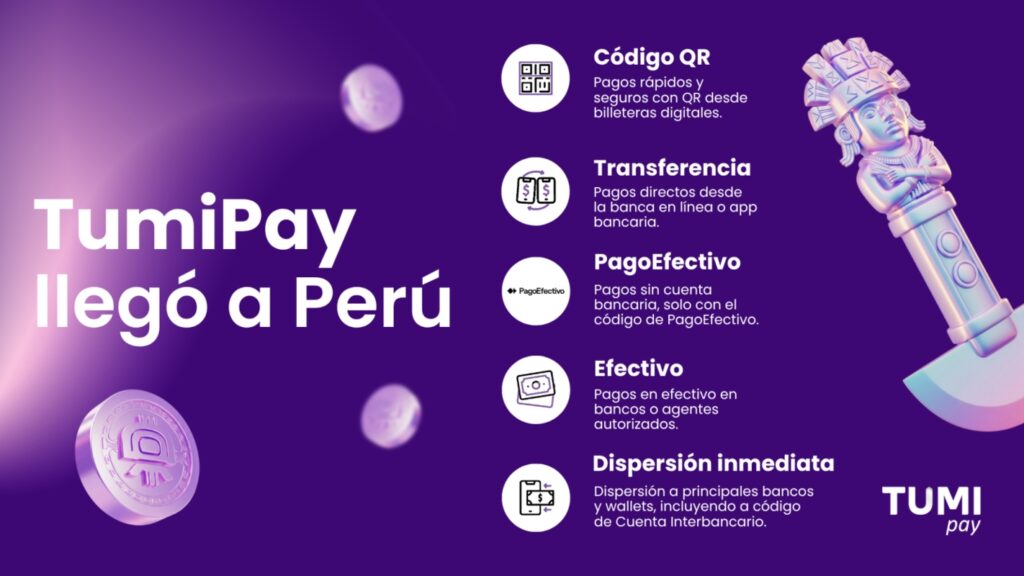
Learn how TumiPay helps companies across different industries optimize their collections, integrate multiple payment methods, and manage high transactional volumes efficiently.
Tags:
Gateway
Ecommerce